
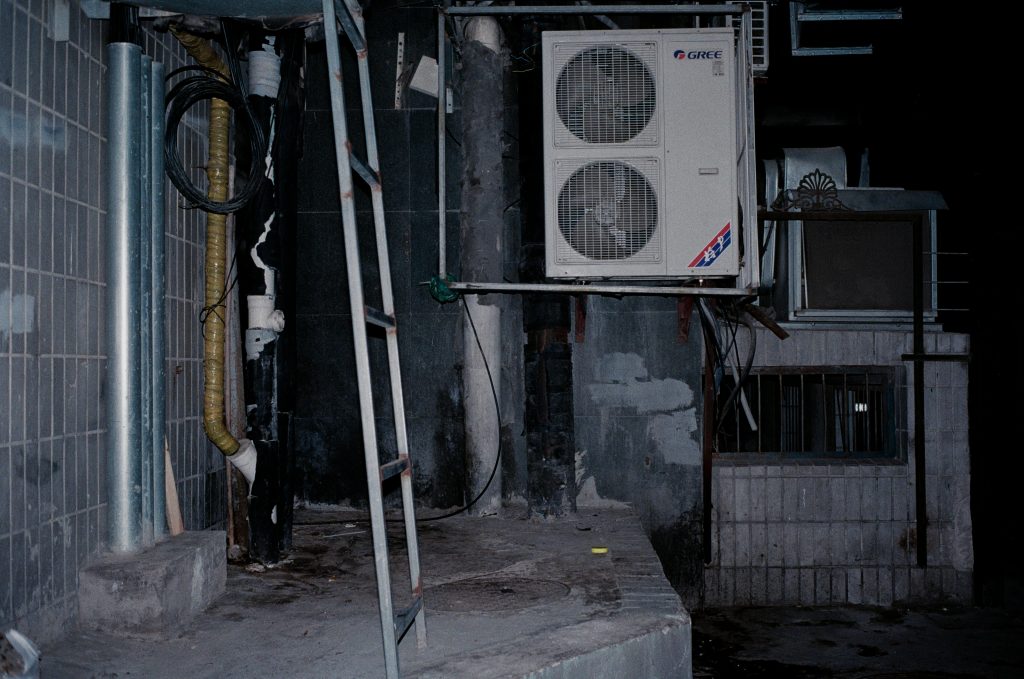
An air conditioner compressor is one of the most important components in a cooling system. Located in the outdoor unit, it circulates refrigerant through the system and helps move heat from inside your home to the outdoors.
However, an AC compressor can become excessively hot because of airflow restrictions, dirty coils, low refrigerant, electrical problems, mechanical wear, or extreme outdoor conditions. Some heat is normal during operation, but an AC compressor hot to the touch, repeatedly shutting off, or making unusual noises may indicate a problem that needs attention. If you are wondering why your AC compressor is overheating, the answer depends on the condition of the entire cooling system.
Below are 10 common AC compressor overheating reasons, along with practical solutions.
What Does an AC Compressor Do?
The compressor acts as the driving force behind the refrigeration cycle. It takes low-pressure refrigerant gas and compresses it into a high-pressure, high-temperature gas before sending it to the outdoor condenser coil. The condenser then releases heat outdoors. The refrigerant continues through the system, absorbs heat from indoor air, and returns to the compressor to repeat the cycle.
Because the compressor works under pressure and operates continuously during cooling, it naturally becomes warm. However, AC compressor heat becomes a concern when the temperature rises beyond normal operating conditions or the compressor starts shutting down. A hot compressor does not automatically mean the compressor itself has failed. The actual problem may be somewhere else in the system.
What Are the 10 Reasons of AC Compressor Overheating?
The most common causes include restricted airflow, dirty condenser coils, low refrigerant, electrical faults, an aging compressor, poor maintenance, and excessive outdoor heat.
A compressor may also overheat when the condenser fan fails, internal components wear out, or the system operates under abnormal pressure. Identifying the underlying cause is important because simply replacing the compressor may not solve the original problem.
1. Can a Dirty Air Filter Cause an AC Compressor to Overheat?
Yes. A severely dirty air filter can restrict airflow and contribute to an AC compressor heating problem. The air filter traps dust, dirt, and airborne particles before they enter the indoor air system. As the filter becomes clogged, less warm indoor air can move across the evaporator coil.
This can reduce heat transfer and may cause the evaporator coil to become too cold or freeze. A frozen coil can further restrict airflow and place additional strain on the cooling system. When the system cannot move heat efficiently, the compressor may run longer and work harder. Over time, this can contribute to an AC compressor overheating problem.
What can you do?
Check the filter regularly and replace or clean it according to the filter manufacturer’s instructions. Homes with pets, construction dust, or high indoor dust levels may need more frequent filter attention.
A dirty filter is one of the simplest problems to address, but ignoring it can create more expensive issues later.
2. Can Dirty Condenser Coils Cause Compressor Overheating?
Yes. Dirty outdoor condenser coils are a major cause of an AC outdoor compressor overheating issue.
The condenser coil releases heat from the refrigerant into the outdoor air. Dirt, grass, leaves, cottonwood, and other debris can cover the coil and reduce airflow across its surface. When the coil cannot release heat effectively, the refrigerant remains hotter and the compressor may operate under increased pressure. This can make the AC compressor running hot and may eventually cause the system to shut down. Even if your unit has a York AC compressor, the coils are bound to have deposits of dirt and pollutants in them due to exposure to the outdoor conditions.
This problem is especially common when the outdoor unit sits near landscaping, dusty areas, or other sources of debris.
Solution:
Keep the area around the outdoor unit clear of vegetation and debris. Professional maintenance can also include careful coil cleaning and inspection of the condenser fan and other components.
Do not bend the delicate coil fins while cleaning. Damaged fins can further restrict airflow.
3. Will Low Refrigerant Cause a Compressor to Overheat?
Yes, low refrigerant can cause a compressor to overheat, particularly when the system has a leak or an incorrect refrigerant charge. Refrigerant does not normally disappear from a properly sealed air conditioner. If the refrigerant level is low, there may be a leak somewhere in the system. When the refrigerant charge is incorrect, the air conditioner may not absorb and transfer heat properly. The compressor can then operate under abnormal conditions and may eventually overheat.
Some homeowners assume that adding more refrigerant solves the problem permanently. It does not. If a leak exists, the leak needs to be located and repaired before the system is correctly recharged. Refrigerant handling also requires proper equipment and training. Homeowners should not attempt to release or handle refrigerant themselves. Professional technicians should diagnose refrigerant-related problems.
4. Can a Failed Condenser Fan Cause Compressor Overheating?
Yes. A condenser fan plays a critical role in removing heat from the outdoor unit.
If the fan motor fails, the fan blade becomes damaged, or an electrical component prevents the fan from operating correctly, heat can build up around the condenser coil and compressor. This is a common compressor heating problem in AC systems. The compressor may continue running while the outdoor unit cannot release heat properly.
You may notice that the outdoor unit is extremely hot, the fan is not spinning, or the system shuts down after running for some time.
What should you do?
Turn the system off if the outdoor fan is not operating correctly. Continuing to run an air conditioner without proper condenser airflow can increase the risk of compressor damage.
Electrical components such as capacitors and motors should be inspected by a qualified professional.
5. Can High Outdoor Temperatures Make an AC Compressor Hot?
Yes. Hot outdoor conditions naturally make the air conditioner’s job more difficult.
During very hot weather, the condenser must release heat into already-warm outdoor air. This reduces the temperature difference available for heat transfer and can make the system work harder. In areas such as Parker, Colorado, extreme summer temperatures combined with a dirty outdoor coil, poor airflow, or a weak condenser fan can make an existing problem worse.
A hot compressor alone does not necessarily indicate failure. However, if your AC compressor is hot to the touch and the unit also struggles to cool, repeatedly trips the breaker, or shuts down, further diagnosis may be necessary. Keeping the outdoor unit clean and allowing sufficient space around it can help support proper heat rejection.
6. Can an Old Compressor Overheat?
Yes. As an air conditioner ages, its internal mechanical and electrical components can experience wear.
A compressor that has operated for many years may develop internal friction, electrical problems, or reduced efficiency. The motor may draw more power or struggle to start and continue operating. This can create an overheating compressor condition.
Common warning signs of a compressor that may be experiencing serious wear include:
- Grinding or unusual mechanical noises
- Repeated circuit breaker trips
- Poor cooling performance
- Long operating cycles
- Difficulty starting
- The compressor becoming extremely hot
- The system shutting down after running for a short time
A bad compressor can cause overheating, but overheating does not always mean the compressor itself is bad. A technician should test the system before recommending compressor replacement.
7. Can Electrical Problems Cause an AC Compressor to Overheat?
Yes. Electrical problems are another important cause of AC compressor overheat conditions.
A failing capacitor, damaged wiring, voltage irregularities, faulty contactor, or other electrical issue can prevent the compressor motor from operating correctly. For example, a weak capacitor may make it difficult for the compressor to start. The motor may draw excessive current or repeatedly attempt to start, creating additional heat.
Electrical problems can also create serious safety risks. Do not open the electrical compartment or attempt to test high-voltage components unless you have the appropriate training and equipment.If your AC repeatedly trips the breaker or produces a burning smell, turn the system off and seek professional assistance.
8. Can Poor Maintenance Cause an AC Compressor to Overheat?
Yes. Lack of maintenance is one of the most preventable causes of compressor overheating.
A neglected air conditioner may develop several problems at the same time. The filter may become clogged, the condenser coil may collect dirt, the fan may weaken, and electrical connections may deteriorate. Each problem can reduce system efficiency. Together, they can place significant stress on the compressor. Regular maintenance allows potential problems to be identified before they develop into major failures. A professional inspection may include checking airflow, electrical components, refrigerant conditions, coils, drain components, and system operation.
The U.S. Department of Energy recommends proper maintenance, including filter replacement and appropriate refrigerant service, to help maintain air conditioner performance.
9. Can an Incorrectly Sized AC Cause Compressor Heating Problems?
Yes. An improperly sized air conditioner can create performance problems.
A system that is too small for the space may run for long periods while trying to reach the desired temperature. Longer operating cycles can increase wear and place additional demands on the compressor. On the other hand, an oversized system may cycle on and off too frequently. Short cycling can prevent the system from completing normal cooling cycles and may create additional stress on the equipment. This does not mean that every long or short cycle automatically indicates compressor failure. The system’s size, condition, thermostat settings, outdoor temperature, and building characteristics all matter.
If you suspect an incorrectly sized system, a professional assessment is more useful than simply replacing the compressor.
10. Can Lack of Insulation or Excessive Sun Exposure Cause Compressor Overheating?
Poor insulation can contribute to higher cooling demand, especially when a building gains significant heat from the outdoors.
When a home absorbs more heat, the air conditioner may need to run longer to maintain the desired indoor temperature. If the system already has a dirty coil, low refrigerant, or another fault, the added workload can make the problem worse. Direct sunlight can also increase the temperature around the outdoor unit. However, never cover the outdoor condenser with a solid enclosure while it is operating. The unit needs unrestricted airflow to release heat.
The better approach is to keep the condenser clear, maintain the system properly, and address building heat gain through appropriate insulation and shading strategies.
Why Is My AC Compressor Overheating and Shutting Off?
An AC compressor may shut off because a safety control detects excessive temperature, high pressure, electrical stress, or another abnormal operating condition. This is one reason you should not repeatedly restart an air conditioner that keeps shutting down. If the compressor starts, becomes extremely hot, and then stops, the problem could involve airflow, refrigerant, electrical components, the condenser fan, or the compressor itself.
The exact cause requires testing. Repeatedly resetting the system without finding the reason can allow a small problem to become a major repair.
What Happens When an AC Compressor Overheats?
When an AC compressor overheats, the system may lose cooling performance, shut down, trip a breaker, or produce unusual sounds. If the condition continues, excessive heat can damage internal electrical and mechanical components. Compressor replacement is often one of the more significant repairs associated with an air conditioning system.
That is why early action matters. If your compressor becomes unusually hot, the AC stops cooling, or the system repeatedly shuts down, turn the system off and arrange an inspection.
How Can You Fix an Overheated Air Conditioner?
The correct solution depends on the cause. There is no single fix for every AC compressor overheating solution.
A homeowner can safely begin with a few basic checks:
- Confirm that the thermostat is set correctly.
- Check whether the air filter is dirty.
- Look for obvious debris around the outdoor unit.
- Make sure outdoor airflow is not blocked.
- Check whether the outdoor condenser fan is operating normally.
Do not attempt to repair refrigerant leaks, test high-voltage electrical components, or open the compressor yourself. A professional technician may need to check refrigerant pressures, electrical readings, airflow, condenser operation, coil condition, and compressor performance.
If the system has a frozen coil, turn off cooling and allow the ice to thaw. Continuing to operate an air conditioner with a frozen coil can place additional stress on the compressor. If the problem returns, professional diagnosis is needed.
Is a Hot AC Compressor Always a Sign of a Bad Compressor?
No. An AC compressor normally becomes hot during operation. The important question is whether the temperature is excessive and whether other warning signs appear at the same time.
A hot AC compressor combined with poor cooling, repeated shutdowns, abnormal noises, tripped breakers, or a non-operating condenser fan deserves attention. In other words, the compressor may be the victim rather than the original cause of the problem. Replacing it without identifying the underlying issue could allow the replacement compressor to experience the same failure.
When Should You Call for AC Repair?
You should seek professional help if the compressor repeatedly overheats, the system shuts off, the circuit breaker trips, the outdoor fan does not operate, or the AC stops cooling. You should also arrange service if you suspect low refrigerant or a compressor fault. These problems require specialized testing and equipment.
Professional AC Repair Service can help identify whether the issue involves the compressor, refrigerant circuit, condenser coil, fan motor, capacitor, wiring, or another component. Prompt diagnosis can sometimes prevent a smaller problem from developing into a major system failure.
How Can Regular Maintenance Help Prevent Compressor Overheating?
Regular maintenance helps reduce the conditions that commonly contribute to compressor stress. A maintenance visit may identify dirty coils, restricted airflow, electrical wear, fan problems, refrigerant issues, and other concerns before they cause a complete breakdown. Homeowners can also help by replacing or cleaning filters as recommended, keeping the outdoor unit free of debris, avoiding blocked vents, and paying attention to changes in cooling performance.
A professional AC Repair Service and maintenance plan can be particularly useful for older systems or air conditioners that operate heavily during hot weather. An AC compressor overheating problem can result from many different causes. Dirty filters, unclean condenser coils, low refrigerant, failed condenser fans, electrical problems, poor maintenance, aging components, incorrect system sizing, high outdoor temperatures, and insulation issues can all contribute to excessive compressor heat. If your AC compressor is hot to the touch, do not immediately assume that the compressor needs replacement. The underlying problem may be a dirty coil, restricted airflow, electrical fault, refrigerant leak, or failed fan.
The best approach is to identify the cause early. Basic maintenance can help prevent many problems, while a qualified HVAC professional should handle refrigerant, electrical, and major compressor-related repairs. Taking action when you first notice an AC compressor heating problem can help protect the system, improve cooling performance, and reduce the possibility of an unexpected and expensive breakdown.


We supportive and useful information
My air conditioner compressor works ten minutes, then overheats and strip off
If they any possibility on discharge capillary tubing blockage, due to aging and corbon deposit, it cut in and out in 2-3 min due to compressor overheat, and no adnormal sound during running. Pls advise thks