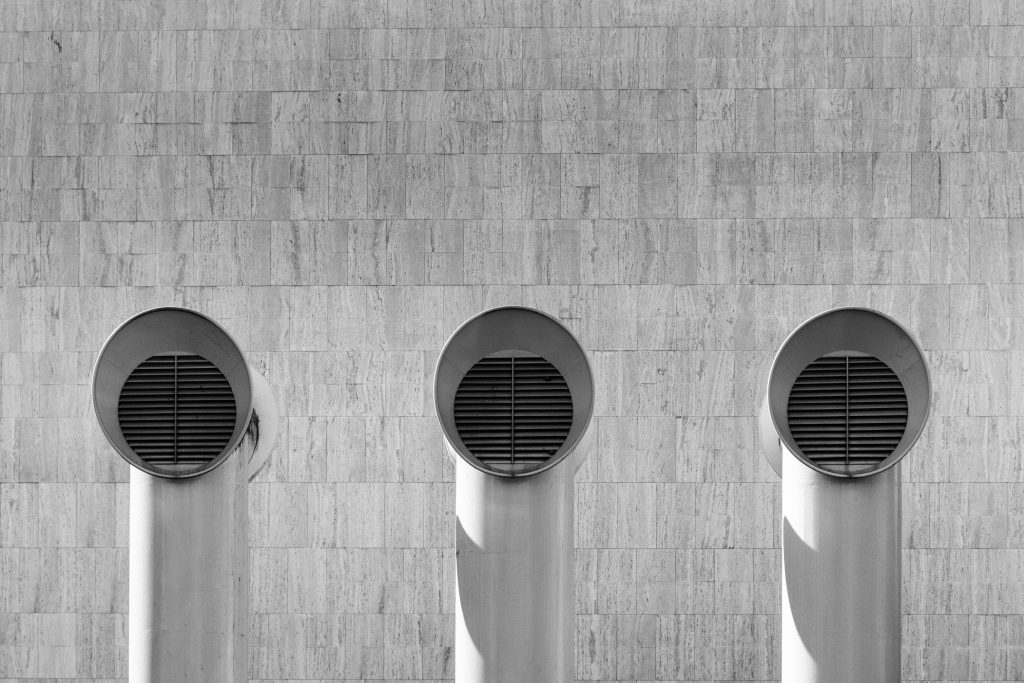
Heating, Ventilation, and Air Conditioning (HVAC) systems play a critical role in maintaining indoor comfort, air quality, and energy efficiency. Over time, even the best systems lose efficiency, become costly to maintain, and struggle to meet modern comfort expectations. That’s why upgrading your HVAC system is not just a repair decision—it’s a long-term investment in comfort, health, and energy savings.
With today’s wide range of HVAC options and technologies, choosing the right system can feel overwhelming. This guide breaks down the key factors you should consider to make a smart, future-ready decision for your home or business.
Step 1: Assess Your Heating and Cooling Needs
Before exploring HVAC models, it’s important to understand your specific requirements.
Size and Layout of the Space
The size of your home or building directly affects system performance. An undersized system will struggle to maintain comfort, while an oversized system may cycle too frequently, wasting energy. A professional load calculation ensures the system matches your space accurately.
Local Climate Conditions
Climate plays a major role in system selection.
-
Hot climates often benefit from high-efficiency air conditioning systems.
-
Cold regions may require powerful furnaces or hybrid heating solutions.
-
Moderate climates can take advantage of heat pumps that provide both heating and cooling.
Energy Efficiency Goals
Modern HVAC systems are designed with efficiency in mind. Look for systems with high SEER (Seasonal Energy Efficiency Ratio) ratings for cooling and AFUE (Annual Fuel Utilization Efficiency) ratings for heating. Higher ratings typically mean lower energy bills and reduced environmental impact.
Step 2: Understand Modern HVAC System Options
Today’s HVAC systems are more advanced, quieter, and smarter than ever.
Furnaces
Furnaces remain a reliable choice for colder climates. Newer models offer improved fuel efficiency, better airflow control, and enhanced safety features.
Central Air Conditioning Systems
Ideal for whole-home cooling, modern central AC systems provide consistent temperatures and improved humidity control when paired with updated ductwork.
Heat Pumps
Heat pumps are gaining popularity due to their energy efficiency and versatility. They can heat and cool your home using electricity and are especially effective when paired with renewable energy sources.
Ductless Mini-Split Systems
A growing trend, ductless systems are perfect for homes without existing ductwork or for room-by-room temperature control. They are efficient, quiet, and flexible.
Step 3: Factor in Smart and Sustainable Technology
One of the biggest HVAC trends is smart integration. Modern systems can be paired with smart thermostats that learn your habits, adjust temperatures automatically, and allow remote control through mobile apps.
Sustainability is another major focus. Many newer systems use eco-friendly refrigerants and are designed to reduce carbon emissions while maintaining high performance.
Step 4: Consider the Total Cost of Ownership
The upfront cost of an HVAC system is only part of the picture. A complete evaluation should include:
-
Installation costs
-
Energy consumption over time
-
Maintenance and repair expenses
-
Expected lifespan of the system
While high-efficiency systems may cost more initially, they often deliver significant savings over the years through reduced utility bills and fewer breakdowns.
Step 5: Choose the Right HVAC Contractor
Even the best HVAC system won’t perform well if it’s improperly installed. A qualified HVAC contractor will:
-
Perform accurate load calculations
-
Recommend systems suited to your needs and budget
-
Ensure proper installation and airflow balance
-
Provide ongoing maintenance support
Choosing an experienced and reputable contractor ensures your system operates efficiently and meets manufacturer guidelines.
Conclusion
Upgrading your HVAC system is a strategic decision that impacts comfort, energy efficiency, and long-term costs. By carefully evaluating your heating and cooling needs, exploring modern system options, considering smart technology, and looking beyond upfront costs, you can make a confident choice.
A well-chosen HVAC system not only enhances indoor comfort but also contributes to healthier air quality and lower energy bills for years to come. With the right planning and professional guidance, your HVAC upgrade can deliver lasting value and peace of mind.