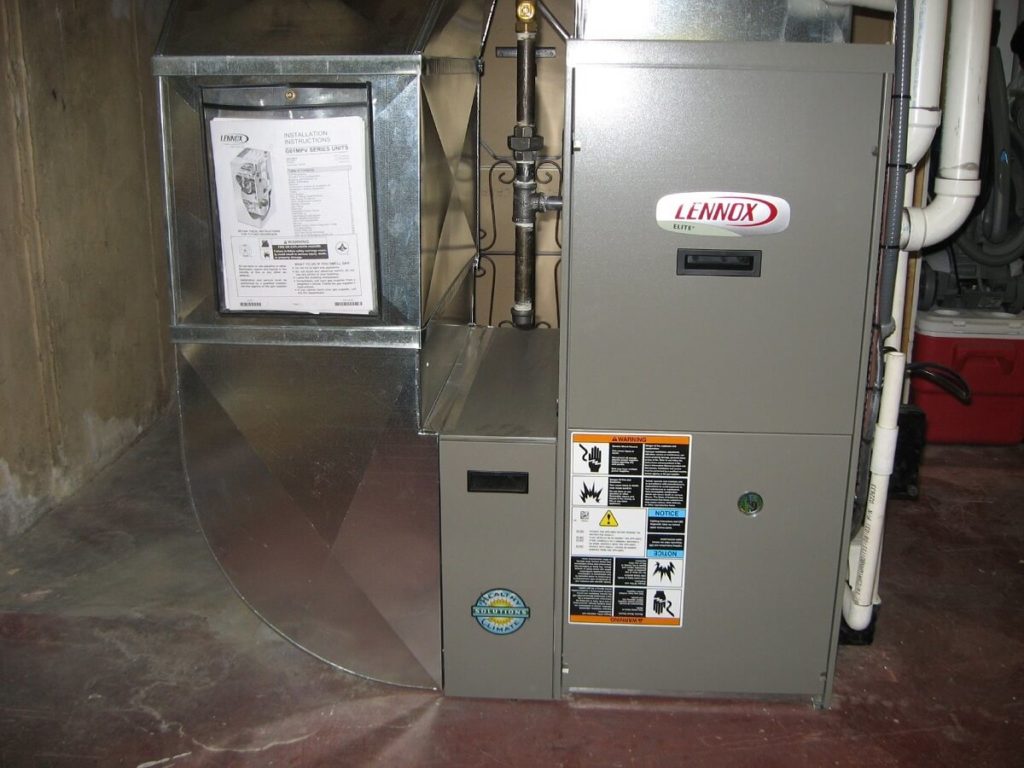
Home Gas Furnace issues are quite common due to excessive usage and extensive negligence. Often, the issue would be as simple as a filter change or condensation, which you will be able to correct on your own. However, if you have not touched it for months together, it is wise to call a furnace repair/ maintenance professional to get it checked and serviced. Timely maintenance and check would save you from huge expenses on major repair works and raised electricity bills in the future. You can get your furnace checked at timely intervals of like 2 months or you can follow below mentioned 17 common signs that can indicate you to get your furnace checked and serviced by an inexpensive professional Services:
1. Lack of Maintenance:
Nothing can be worse than waking up on a very cold night to find out that your furnace has stopped working. If you feel you have neglected to give professional attention to your furnace, it pays to call your service company without delay for an inexpensive maintenance of your home furnace as a precautionary measure, to make sure you have a trouble-free winter.
2. Clogged Filters:
The filter in the furnace gets clogged very often and needs your attention. It is also mandatory to replace the filters once every month, or at least once in two months and get them cleaned every 15 days. A well-established furnace dealer always provide for annual maintenance plans for its products. This means that there will be skilled technicians visiting you periodically to clean the filters and maintain the furnace at its best working condition at a cheap cost.
3.Thermostat Malfunction:
Most digital thermostats come equipped with a battery indicator on the display. Checking the indicator and replacing the battery (in case the display asks for it) would fix the problem. If there’s no display, you will need to check the furnace’s power. In case you have checked the power supply, the battery and your thermostat still refuses to work, you may need to get it replaced by calling an HVAC professional. At times, a mismatched thermostat, which isn’t fit for your furnace’s capability and capacity, can also cause problems.
4. Ignition Failure:
There are two variations in the ignition systems – one that uses electric spark by means of high voltage, while the other is based on a heating element with resistance control. Since the process is too technical, in any unexpected event of ignition failure, it is much safer to call for professional help, instead of experimenting on your own.
5. Mechanical Problems:
Every mechanical part – tiny or huge – has to be in proper condition to enable the furnace to work well. The wear and tear is often recognized with unusual noise when the furnace is on. A loose belt can cause overheating. Though you can be aware of some problem, calling an experienced local repair services would simplify the process of getting it fixed on time.
6. Bad Air Circulation:
If you ever suspect your furnace is not heating up to the set temperature, you must pay immediate attention to it. The major causes for this could be the fan motor or the belt. It is better to have it checked by the furnace maintenance expert without delay, instead of having to spend a huge amount in replacing the fan motor or belt.
7. Gas Leakage:
One of the obvious signs of your gas furnace not working properly is gas leakage. The moment you smell gas anywhere around your gas furnace, stop the furnace without any delay and call the concerned company. Take all precautions to avoid sparks from switches and lighters and shut the gas valve. A service personal must inspect your entire house before you can do anything.
8. No Heating at All:
There is nothing to panic if your heater does not give out any heat. Relax and start checking if the fuse has blown. Check the main panel from which power is derived. Check the circuit breaker for tripping and reset the same. If you are not able to do any of these, the best move is to pick the phone and call for the furnace technician who knows all about it.
9. Weird Noise:
Only when something is very wrong will you hear unusual noises from the furnace. Avoid using it after that point. Very often, the reason for such noise is a loose belt. Ignoring this problem will lead to causing severe damage to the furnace unit, which in turn would call for its replacement. Calling the HVAC professional is the only option you have during these times.
10. Oil Burner Issues:
If your gas furnace has seen over two generations, you can almost be sure that you will face oil burner problems. However, no need to fret and fume, as this issue can be solved. Cleaning or replacing the filter itself will enable the burner to function well. Rather than doing it on your own, hiring a professional burner cleaning technician would give you fast and effective results.
11. Pilot Light is Yellow:
If the pilot light is blue, it indicates that there is a balanced release in the gases and your furnace is working at its best condition. Once you observe yellow pilot light, rather than disregarding it, understand that the gases are not being released in the right proportion and it is time for you to approach your HVAC professional for furnace maintenance.
12. Electric Bills Have Gone Sky High:
Whenever there is a consistent rise in the electricity bills for no reason that you may be aware of, your furnace could be the culprit. If you have an annual maintenance plan, you can request the professionals to come and check the furnace.
13. Condensation is Common:
If you ever observe condensation in your windows, it’s an obvious sign for you know that your furnace is in for trouble. It is one of the very obvious signs that your gas furnace is not working or will soon stop working. Get an HVAC company professional attend to it right away.
14. Repaired it Within the Last 2 Years:
As your furnace ages, especially if it is more than 15 years, it would call for frequent replacement of parts. May be it is time for you to replace it with a new one rather than spending on replacing a part or the other every now and then.
15. Leaky Ducts:
Cracks or holes in the ducts let the hot air escape and in effect, bring down the temperature in the house. In such cases, only a professional will be able to fix the issue as he would have to seal it with high-end tools.
16. A Yellow Flame:
As discussed before, yellow flame represents uneven release of gas, orange flame represents a dirty burner, and a blue flame represents perfect working condition of your furnace. Regular maintenance from an HVAC expert can solve such issues.
17. Check for Obstructions:
Very often, people tend to place their furniture not realizing they are blocking the vent. Just check to see if your furnace vent is blocked.
Though all these issues might sound petty, each issue requires your time and effort. The simple solution is to opt for cheap annual furnace maintenance plan from an HVAC professional and free yourself and your furnace from all troubles.